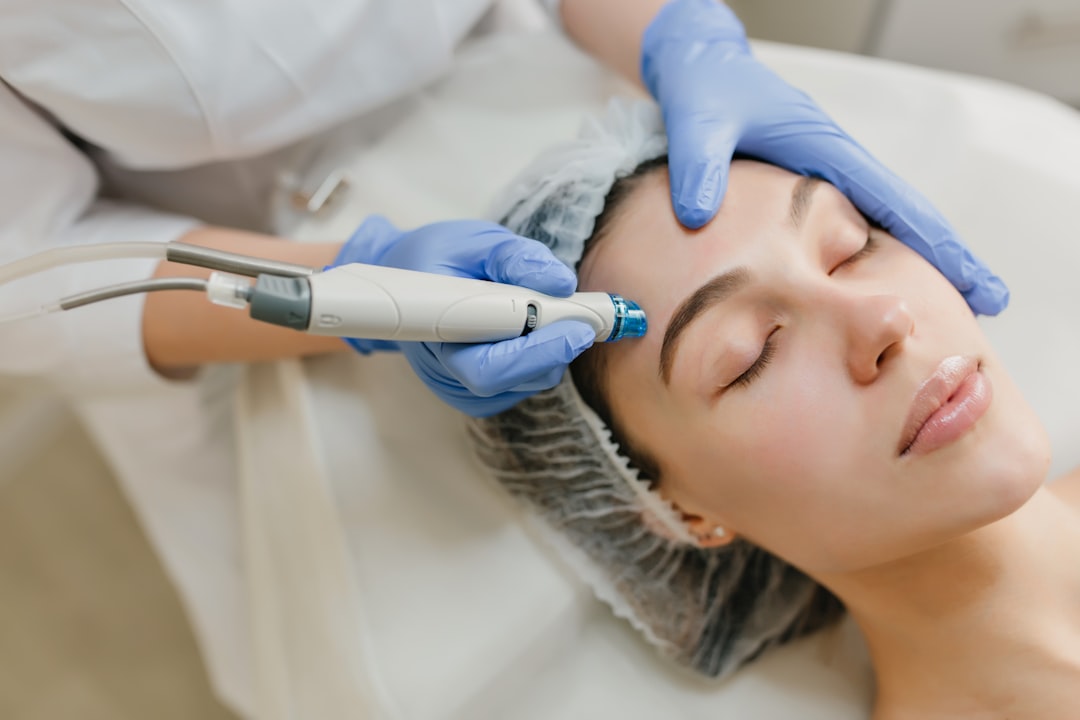
Warts can be both unsightly and uncomfortable, impacting self-confidence and daily life. Traditional treatments often involve harsh chemicals or painful procedures, leaving many seeking alternative solutions. Laser wart removal treatment offers a precise, effective approach to eliminating warts without the adverse effects of conventional methods. This article delves into the world of laser technology for wart removal, exploring its safety, efficacy, and natural benefits, providing readers with a comprehensive guide to achieving clear, smooth skin.
- Understanding Laser Wart Removal Treatment Naturally
- Choosing the Right Laser Technology for Warts
- Step-by-Step Guide to Safe and Effective Removal
Understanding Laser Wart Removal Treatment Naturally
Laser wart removal treatment naturally has gained popularity as a safe and effective alternative to conventional treatments. This method utilizes the precision and power of lasers to target and eliminate warts, offering a more permanent solution compared to topical creams and freezes. Unlike traditional approaches, laser treatments can be less painful and often provide better cosmetic outcomes, making them a preferred choice for those seeking a more discreet and long-lasting remedy.
The process involves directing a concentrated beam of light onto the wart, where it penetrates the skin and destroys the abnormal skin cells. Different laser wavelengths are used depending on the type of wart, with carbon dioxide (CO2) and Nd:YAG lasers being commonly employed. These lasers have the ability to vaporize the wart while minimizing damage to the surrounding healthy skin. For instance, private wart removal services in Leicester, Milton Keynes, and Manchester have shown success rates of over 80% with minimal side effects, according to recent clinical studies.
During a laser wart removal session, a healthcare professional will first numb the area to reduce discomfort. Then, using a specialized laser device, they will precisely deliver the light energy to the wart. Multiple treatments are often required, typically spaced a few weeks apart, to ensure complete removal. This is because lasers target the deeper layers of the wart, giving the body time to heal and regenerate healthy skin. Following the procedure, patients may experience mild redness or swelling, which usually subsides within a few days. It's important to note that while laser treatments offer a natural and effective solution, they are best performed by qualified professionals to ensure optimal results and avoid potential complications.
Choosing the Right Laser Technology for Warts
Choosing the right laser technology for wart removal involves understanding your specific skin type, the size and depth of the warts, and your treatment goals. Different lasers target various aspects of the wart, from its surface to deeper layers of skin. For example, pulsed-dye lasers (PDLs) are effective for light-colored warts as they heat and destroy the blood vessels supplying the wart. On the other hand, carbon dioxide (CO2) lasers offer deeper penetration, suitable for more robust warts or those that have not responded to other treatments.
When selecting a laser wart removal treatment naturally, consider consulting specialists who can assess your condition accurately. Wart removal specialists Newcastle, Bristol, and Exeter are equipped with advanced technologies and clinical expertise to provide personalized solutions. These professionals can guide you on the best laser type for your warts, minimizing side effects and maximizing efficacy. For instance, some studies suggest that PDLs offer a lower risk of scarring compared to CO2 lasers, making them a preferred choice for certain patients.
In addition to technology, consider factors like patient comfort and recovery time. Some laser treatments may require multiple sessions spaced several weeks apart, so choose a specialist who can provide clear aftercare instructions and support throughout your treatment plan. Keep in mind that while laser treatments are generally effective, they may not work for everyone or on all types of warts. Working closely with wart removal specialists near you, such as those available in Exeter, Bristol, or Newcastle, ensures the best possible outcome tailored to your specific needs.
Step-by-Step Guide to Safe and Effective Removal
Laser wart removal treatment offers a safe and effective solution for those seeking to eliminate unsightly warts without surgery. This advanced technique, popular among cosmetic wart removal specialists like those in Cambridge, Milton Keynes, and Oxford, utilizes targeted lasers to destroy the wart while minimizing scarring or discomfort. Here's a step-by-step guide to navigating this modern approach:
-
Initial Consultation: Begin by scheduling an appointment with a qualified dermatologist or skin care specialist who specializes in laser wart removal. During this consultation, they will assess your specific case, discuss treatment options, and address any concerns or expectations you might have. This is crucial for determining the best course of action tailored to your needs.
-
Pre-Treatment Preparation: Before the procedure, follow the specialist's instructions regarding preparation. This may include avoiding certain medications or topical agents that could interact with the laser treatment. It's also important to disclose any allergies or skin conditions to ensure a safe and effective session. On the day of treatment, arrive well-prepared, wearing comfortable clothing and avoiding makeup or lotions around the treated area.
-
The Laser Treatment: The specialist will clean the wart and apply a numbing agent to minimize discomfort. They then use a specialized laser device, carefully directing the beam at the wart. The laser penetrates the skin, targeting the blood vessels that nourish the abnormal cells. This precise energy delivery ensures minimal damage to surrounding healthy tissue. As the laser heats up, it destroys the wart cells, and the body naturally eliminates them over time.
-
Post-Treatment Care: After the procedure, mild redness or swelling is normal. Follow post-treatment instructions carefully, including applying recommended topical creams and avoiding strenuous activities for a few days. It's crucial to stay vigilant and monitor the treated area for any signs of infection or unusual symptoms. Most patients experience significant improvement within one to three weeks, with complete wart removal achievable in many cases. Regular follow-up visits may be necessary to ensure optimal results, especially for persistent or recurrent warts.
Laser wart removal treatment naturally offers a safe and effective solution for those seeking to eliminate unsightly warts. By understanding the principles behind this method and selecting the appropriate laser technology, individuals can achieve successful outcomes without the need for harsh chemicals or invasive procedures. The step-by-step guide provided in this article serves as a valuable resource, empowering readers with knowledge and confidence in navigating their journey towards clear, smooth skin. With proper care and adherence to these guidelines, laser wart removal can be a game-changer, providing long-lasting relief from the embarrassment and discomfort caused by warts.
Laser Wart Removal Treatment Naturally:
This method uses lasers to target and eliminate warts, offering a permanent solution compared to topical treatments. Different laser wavelengths are used based on wart type, with high success rates (over 80%) and minimal side effects, as shown by clinical studies. Selection of the right laser technology depends on skin type, wart size/depth, and treatment goals. Wart removal specialists provide personalized solutions using advanced technologies. The process involves a consultation, pre-treatment prep, numbing, targeted laser application, post-treatment care, and potential follow-ups for optimal results.