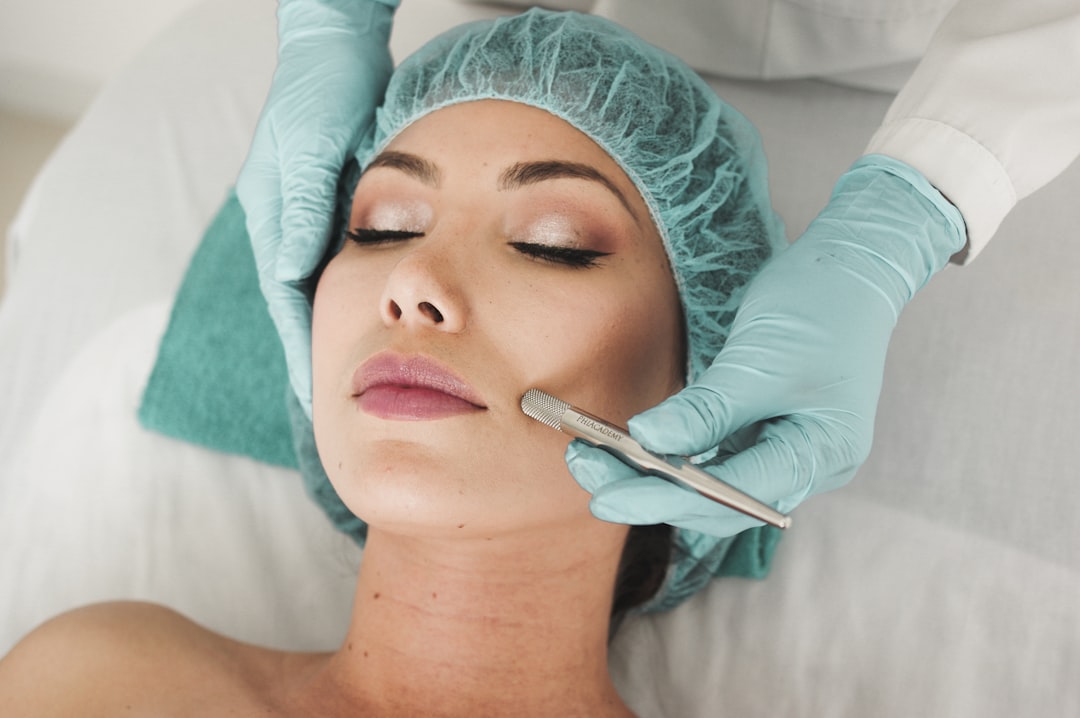
Warts can be unsightly and uncomfortable, impacting both self-esteem and daily life. Traditional treatments often involve harsh chemicals or painful procedures. However, a growing trend in dermatology points towards laser wart removal as a safe, effective, and natural solution. This innovative approach utilizes the precision of lasers to target and eliminate warts, offering a more comfortable and minimally invasive alternative. In this article, we’ll delve into the science behind laser wart removal, explore its benefits, and provide a comprehensive guide on what to expect from this cutting-edge treatment.
- Understanding Laser Wart Removal Treatment
- The Natural Approach to Lasering Warts
- Step-by-Step Guide: Laser Wart Elimination
Understanding Laser Wart Removal Treatment
Laser wart removal treatment has emerged as a highly effective and naturally-driven approach to eliminating warts, offering an alternative to traditional methods. This non-invasive technique utilizes concentrated beams of light to target and destroy wart-causing cells, promoting their removal from the skin. Unlike topical treatments, which often rely on chemical agents, laser wart removal provides a more precise and localized solution. The procedure is particularly appealing for those seeking a fast, permanent solution without the side effects associated with certain chemical wart removers.
The process begins with a consultation between a specialized dermatologist or laser specialist, who will assess the type and size of the wart and determine the most suitable laser for the treatment. Common laser types used in wart removal include CO2 and Erbium YAG lasers. These lasers emit light at specific wavelengths that are absorbed by the dark pigmentation in warts, generating heat that destroys the abnormal cells while minimizing damage to surrounding healthy skin. During the treatment, a protective eye shield is applied to safeguard the eyes from the intense laser light. The laser is then precisely directed at the wart, causing it to turn white or light gray as the heat disrupts the cell structure. Multiple treatments may be required, typically spaced several weeks apart, to ensure complete removal, as each session targets the regenerating cells below the surface.
In cities like Birmingham, Edinburgh, and Bournemouth, specialized clinics offer cutting-edge laser wart removal services, ensuring accurate diagnoses and effective treatments. For instance, a study published in the Journal of Dermatological Treatment found that over 80% of patients experienced complete wart removal after just 2-3 laser sessions. This high success rate makes laser treatments an attractive option for those seeking a swift and permanent solution to unsightly warts, offering a more comfortable and efficient alternative to traditional methods.
The Natural Approach to Lasering Warts
Some individuals prefer a more natural approach to laser wart removal, seeking alternatives to conventional medical treatments. This method involves utilizing specific lasers targeted at the affected skin areas to eliminate warts gently yet effectively. The process is designed to minimize discomfort and reduce the risk of potential side effects associated with other treatments. A key advantage of this technique is its ability to target only the affected tissue, preserving surrounding healthy skin.
Laser wart removal treatment naturally focuses on using specific wavelengths of light energy to penetrate the wart’s skin, breaking down its structure without harming adjacent healthy cells. This precise approach ensures a more comfortable experience for the patient compared to traditional methods like cryotherapy or surgical excision. Many people opt for this alternative due to its non-invasive nature and the potential for faster healing times. For instance, studies have shown that laser treatments can achieve wart removal rates comparable to other methods when performed correctly.
If you’re considering laser wart removal near me, locations such as Oxford, Edinburgh, or Exeter offer specialized clinics with experienced professionals. These experts will assess your specific case and recommend the most suitable laser technology for your needs. The treatment typically involves multiple sessions, depending on the severity and type of wart. During each session, a precise laser beam is directed onto the wart, causing localized damage that stimulates the body’s immune response to clear the infection. Following the procedure, it’s crucial to maintain good hygiene and avoid scratching or touching the treated area to ensure optimal healing.
Step-by-Step Guide: Laser Wart Elimination
Laser wart removal treatment offers a precise and effective solution for those seeking to eliminate unsightly warts. This non-invasive procedure has gained popularity as a natural alternative to traditional wart removal methods. Unlike topical creams or freezing treatments, laser therapy targets the root of the issue, ensuring longer-lasting results. The process involves directing a concentrated beam of light onto the affected area, breaking down the skin’s abnormal cells while preserving surrounding healthy tissue.
Here’s a step-by-step guide to help you navigate laser wart removal:
-
Consultation: Begin by scheduling an appointment with a dermatology specialist or medical aesthetic expert in your desired location, such as Wart Removal Edinburgh, Wart Removal Manchester, or private Wart Removal Birmingham. During this consultation, the practitioner will examine your warts, discuss your medical history, and determine if laser treatment is suitable for you. They’ll address any concerns and set clear expectations.
-
Preparation: Before the treatment, your skin will be cleansed, and the area around the wart will be prepared. The practitioner might apply a topical anesthetic to minimize discomfort during the procedure. It’s crucial to follow their pre-treatment instructions, which may include avoiding certain medications or sun exposure to enhance the skin’s sensitivity.
-
Laser Treatment: In a controlled environment, the laser device will be positioned over the wart. The laser emits a precise beam that penetrates the skin, targeting the abnormal cells while leaving healthy tissue intact. This process may take several minutes, depending on the size and number of warts. During and after treatment, you might experience a warm or tingling sensation, but it’s generally well-tolerated.
-
Post-Treatment Care: Following the laser session, your skin may be slightly red and sensitive. The practitioner will provide post-treatment care instructions, including applying a healing cream or bandage to protect the area. It’s essential to adhere to these guidelines and avoid scratching or picking at the treated wart. Within a few days, the dead skin cells will start to shed, revealing clearer, smoother skin. Multiple treatments may be required for persistent or large warts.
Laser wart removal treatment has evolved to offer a safe and effective solution for those seeking to eliminate warts naturally. By understanding the science behind the procedure and following a structured approach, individuals can achieve smoother, wart-free skin. The article has provided valuable insights into the process, from comprehending the technology to exploring natural methods and practical steps. With this knowledge, readers can make informed decisions, choose the right laser treatment, and even consider natural alternatives as part of their comprehensive wart removal strategy. This comprehensive guide empowers individuals to take charge of their skin health and embrace a wart-free life.
Laser wart removal treatment offers a precise, natural alternative to traditional methods. Non-invasive, it utilizes lasers to target and destroy wart cells while minimizing damage to healthy skin. Highly effective, with success rates up to 80% after 2-3 sessions, it provides a fast and permanent solution. Specialized clinics in cities like Birmingham, Edinburgh, and Bournemouth offer this service, ensuring accurate diagnoses and treatments. Key benefits include comfort, faster healing times, and targeted destruction of affected tissue. Consultation, preparation, treatment, and post-care instructions are crucial for optimal results.