
Laser wart removal treatment offers precise, non-invasive removal using specialized lasers like CO2, Nd:YAG, and Er:YAG. Choosing the right laser depends on skin type, wart severity, and location. Consulting specialists ensures safety and efficacy. At-home treatment requires understanding skin condition and selecting suitable technology, with proper guidance for protective eyewear and aftercare. Laser wart removal naturally can manage warts effectively while avoiding professional procedures' risks.
Wart removal is a common concern, with many seeking effective yet safe solutions. Laser wart removal treatment has emerged as a popular and precise method, offering a potentially permanent solution for unwanted warts. However, with various laser types and settings available, choosing the right tool can be daunting. This article provides an in-depth guide to navigate this process, ensuring you select the optimal laser for your specific needs. We’ll explore factors critical to your decision, from wart type and size to the latest advancements in laser technology, empowering you with knowledge for successful laser wart removal.
- Understanding Laser Wart Removal Treatment
- Types of Lasers for Effective Wart Elimination
- Evaluating Your Skin Type and Condition
- Safe Practices for Laser Wart Removal at Home
Understanding Laser Wart Removal Treatment
Choosing the right laser for wart removal treatment requires a deep understanding of the procedure’s nuances. Laser wart removal treatment involves using concentrated light energy to destroy targeted tissue, effectively eliminating warts without the need for surgical incisions. This non-invasive approach has gained popularity due to its precision, minimal downtime, and high success rates compared to traditional methods like cryotherapy or topical creams.
Wart removal specialists across locations such as Liverpool, Bournemouth, and Cambridge employ various laser technologies, each with unique advantages and applications. For instance, the CO2 laser is a workhorse in cosmetic wart removal, excelling at deep tissue penetration and heat-induced cellular destruction. On the other hand, the less aggressive Nd:YAG (Neodymium-doped Yttrium Aluminium Garnet) laser is ideal for sensitive areas or warts on thicker skin due to its ability to target specific chromophores without damaging surrounding healthy tissue.
During treatment planning, specialists consider wart size, location, and type, as well as the patient’s medical history and tolerance for discomfort. Multiple sessions are often required, with intervals allowing the body to heal and flush out debris. It’s crucial to select a specialist who can tailor the laser wart removal treatment to your specific needs, ensuring optimal results while minimizing potential side effects like skin irritation or scarring. Data from clinical studies supports the safety and efficacy of laser treatments for warts when performed by experienced practitioners.
Types of Lasers for Effective Wart Elimination

Choosing the right laser for wart removal is a crucial step in achieving effective and safe elimination. There are several types of lasers available for this purpose, each with its own unique advantages and applications. The most common lasers used in wart removal include CO2 lasers, Nd:YAG lasers, and Er:YAG lasers. CO2 lasers emit light at a specific wavelength that can penetrate the skin’s surface, breaking down the protein structure of the wart. This type is particularly effective for external warts but may not be suitable for sensitive areas due to its potential side effects.
Nd:YAG lasers, on the other hand, offer a more gentle approach by using light at different wavelengths to target specific chromophores in the skin and wart tissue. They are less invasive and can be used on various types of warts, including those on the face and neck. Er:YAG lasers combine the precision of Nd:YAG with a longer wavelength for deeper penetration, making them ideal for more stubborn or larger warts.
When considering laser wart removal treatment naturally, it’s essential to consult professionals like those available at private wart removal clinics in Leeds, Edinburgh, or Cardiff. These experts can guide you based on the specific type and severity of your warts. For instance, a study published in the British Journal of Dermatology found that Nd:YAG laser therapy had a high success rate for common warts, with significant improvements seen after just a few treatments. Data from clinics in urban areas like these cities can provide valuable insights into which lasers are most effective in real-world settings.
Remember, while lasers offer advanced and precise wart removal, they should be used as part of a comprehensive treatment plan that may include topical medications or other procedures. It’s crucial to seek advice from qualified dermatologists or healthcare providers to determine the best approach for your specific case, ensuring optimal results with minimal discomfort or side effects.
Evaluating Your Skin Type and Condition
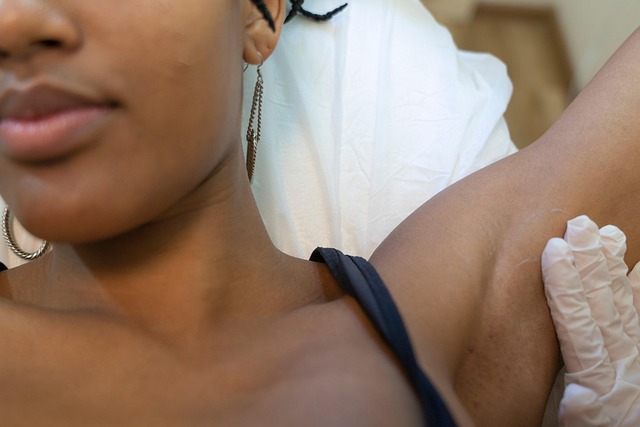
Choosing the right laser for wart removal requires a deep understanding of your skin type and condition. This is crucial because different lasers interact with various skin types differently, and selecting the appropriate one can significantly enhance treatment outcomes. For instance, individuals with darker skin tones may require specific lasers that minimize the risk of pigment changes while effectively targeting warts. On the other hand, those with sensitive skin should opt for gentler laser treatments to avoid discomfort and potential side effects.
When considering laser wart removal treatment naturally, it’s essential to consult with specialists who can provide expert advice tailored to your needs. Wart removal specialists in Leeds, private clinics in Bristol, and cosmetic experts in Leicester offer specialized services utilizing advanced laser technologies. These professionals can assess your skin condition, taking into account factors like age, medical history, and the size and type of warts you’re dealing with. For example, CO2 lasers are effective for larger warts but may be too aggressive for smaller, more delicate ones, where Nd:YAG lasers could provide a gentler alternative.
During your evaluation, ask about the laser’s wavelength, power level, and the number of treatments required. Different wavelengths target specific skin depths, making some more suitable for superficial warts while others penetrate deeper to treat more stubborn growths. Additionally, understanding the side effects and downtime associated with each option is vital. While many lasers offer minimal recovery time, sensitive individuals might experience redness or swelling that can be managed with proper aftercare advice from a reputable clinic, such as those mentioned above.
Safe Practices for Laser Wart Removal at Home

Choosing the right laser for wart removal at home involves a blend of understanding your condition and selecting the appropriate technology. Safety must always be paramount when considering private wart removal Glasgow or similar treatments in Edinburgh or Bournemouth. The market offers various laser options, each with unique advantages and limitations, particularly for cosmetic wart removal Bournemouth practitioners may recommend.
First, consult a medical professional like those available in private wart removal Glasgow clinics to assess your specific case. They can advise on the type of laser suitable for your skin type and the size and number of warts you have. For instance, CO2 lasers are powerful but may not be ideal for sensitive areas or heavily infected warts, while lesser-energy Nd:YAG lasers are gentler and safer for home use. Remember, laser wart removal treatment naturally should aim to eliminate the wart without causing significant discomfort or side effects.
Next, ensure your chosen laser is approved by relevant health authorities for at-home use. This guarantees a certain level of safety and effectiveness. Equip yourself with protective eyewear during treatment, as per instructions from cosmetic Wart removal Bournemouth clinics, to prevent eye damage. Regularly clean the device and its accessories thoroughly to avoid bacterial infection. Data shows that proper hygiene practices significantly reduce complications associated with at-home laser treatments.
Finally, be patient and consistent in your home regimen. Results may take several sessions, and adherence to a recommended schedule ensures optimal outcomes. After each treatment, monitor for any adverse reactions or signs of infection. If concerns arise, consult a healthcare provider immediately. With proper guidance and safe practices, you can effectively manage warts at home using laser wart removal treatments naturally, avoiding the costs and potential risks associated with professional procedures in Edinburgh or other locations.
Selecting the appropriate laser wart removal treatment naturally involves understanding the unique properties of different lasers and assessing your skin’s needs. This article has guided you through essential aspects, from the fundamentals of laser wart removal to the practical considerations for at-home care. Key takeaways include recognizing that various lasers target warts differently, with CO2 and Erbium YAG lasers proving effective for most skin types. Evaluating your skin condition is vital, as certain lasers may be more suitable for specific cases, such as sensitive or darker skin tones. Safe practices emphasize the importance of professional guidance, proper preparation, and post-treatment care to minimize risks and achieve optimal results. By following these insights, you’re equipped to make informed decisions, ensuring a safe and effective laser wart removal treatment naturally tailored to your needs.