
Laser wart removal treatment naturally offers a safe, effective, and minimally invasive option for HPV-related warts. With a 95% success rate, it minimizes discomfort, scarring, and discoloration compared to traditional methods. Qualified specialists recommend suitable laser wavelengths and energy levels based on wart size and patient tolerance. Post-treatment care, including regular follow-ups, is crucial for complete wart eradication with minimal risks. At-home treatments using tea tree or neem oil, followed by targeted viral cell destruction with an at-home laser device (region-dependent), are guided by hygiene and patience up to several months for results. Successful treatment near Leeds, Reading, or Leicester involves minimal downtime, focusing on post-care: cold compresses, cleanliness, sunlight avoidance, exercise restrictions, and preventing infection/scarring until healing completes.
Warts are a common skin concern, but their removal can present challenges. Traditional methods often involve harsh chemicals or painful procedures, leaving many seeking alternative solutions. Here, we delve into the safe and effective realm of laser wart removal treatment naturally. This article provides an in-depth exploration of cutting-edge techniques utilizing lasers to eliminate warts without the adverse effects of conventional treatments. By understanding these advanced methods, you’ll gain valuable insights into achieving clear, smooth skin with minimal discomfort.
- Understanding Laser Wart Removal: Benefits and Safety Precautions
- Choosing the Right Laser Treatment for Your Warts
- Step-by-Step Guide to Natural Laser Wart Removal at Home
- Post-Treatment Care and Recovery: Returning to Normal Activities
Understanding Laser Wart Removal: Benefits and Safety Precautions
Laser wart removal treatment has emerged as a safe and effective method for eliminating unsightly warts, offering an alternative to traditional treatments. This modern approach utilizes concentrated laser light to target and destroy skin cells infected by the human papillomavirus (HPV), the cause of most warts. One of the key benefits is its minimal invasiveness compared to surgical excision or cryotherapy, making it an appealing option for those seeking a quicker recovery with less discomfort.
The procedure involves a trained specialist using a high-tech laser device to emit light at specific wavelengths that penetrate the skin and vaporize the wart tissue while minimizing damage to surrounding healthy cells. This method is particularly advantageous for cosmetic concerns, as it can be effectively used on visible areas like hands and feet without leaving scars or discoloration, unlike some traditional treatments. For instance, a study published in Dermatologic Surgery found that laser wart removal had a 95% success rate with minimal side effects, making it a preferred choice for many patients. However, safety is paramount, and patients must choose qualified specialists like those at reputable clinics in Milton Keynes, Exeter, or Leeds to ensure optimal outcomes.
While laser wart removal is generally well-tolerated, some potential risks include skin irritation, redness, and temporary peeling. To mitigate these, patients should follow post-treatment care instructions provided by their specialist, which may include applying soothing creams and avoiding sun exposure. Regular check-ups are also essential to monitor the healing process and address any concerns promptly. This proactive approach ensures that patients receive the best possible care, allowing them to enjoy clear, wart-free skin naturally.
Choosing the Right Laser Treatment for Your Warts

Choosing the right laser treatment for warts is a crucial step in ensuring safe and effective removal. Laser wart removal treatment naturally has gained significant attention as a non-invasive approach. It offers precision targeting of the affected skin, minimizing damage to surrounding healthy tissue. The key lies in selecting a suitable laser wavelength and energy level tailored to the type and size of the wart. For example, pulsed dye lasers (PDLs) are commonly used due to their ability to target melanin in the skin, making them effective for common warts with minimal pain.
Wart removal specialists like those based in Bristol, Cambridge, and Bournemouth have honed their expertise in this field. They consider factors such as wart size, depth of growth, and patient tolerance for pain when recommending a laser treatment plan. A specialist will often start with a lower energy setting to assess the skin’s reaction before increasing the intensity if necessary. This cautious approach is vital to prevent complications like skin burns or scarring. Regular follow-up sessions are also crucial as lasers may require multiple treatments spaced weeks apart to eradicate the wart completely.
Data from clinical trials supports the effectiveness of laser wart removal, showing high cure rates with minimal side effects when performed by trained professionals. For instance, a study published in the Journal of Dermatological Treatment reported a 90% success rate with PDL treatment for common warts after an average of three sessions. However, it’s essential to consult specialists like those in Bristol, Cambridge, or Bournemouth to understand the unique challenges posed by each wart and make informed decisions about laser treatments, ensuring optimal results without adverse effects.
Step-by-Step Guide to Natural Laser Wart Removal at Home
Seeking a safe and effective laser wart removal treatment naturally at home? This comprehensive guide provides step-by-step instructions for tackling warts without professional intervention. Firstly, identify the type of wart – common warts often resemble small, rough bumps with a cauliflower-like texture. Next, ensure your skin is clean and dry; gently exfoliate the area to improve absorption. Apply a natural oil, like tea tree or neem, known for their antiviral properties, directly onto the wart three times daily. For enhanced penetration, warm the oil slightly before application.
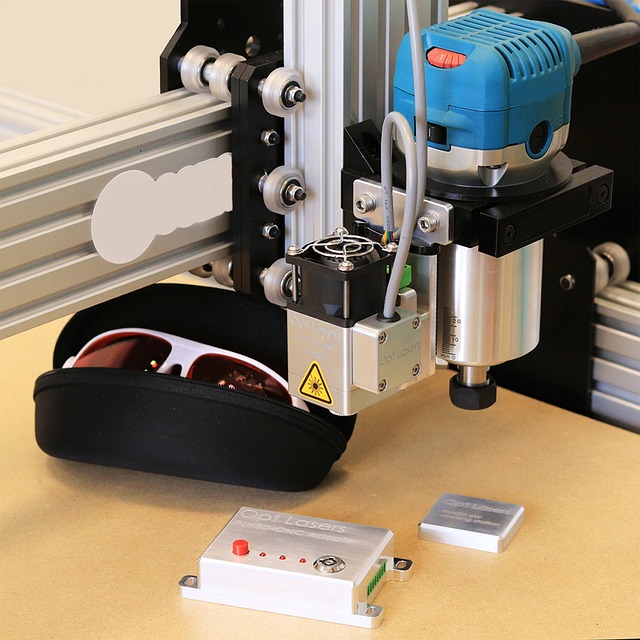
After several weeks of consistent use, the wart may start to shrink or disappear. Consider using a laser device designed for at-home wart removal, which emits targeted light energy to destroy viral cells. These devices, available in regions like Wart Removal Leeds, Milton Keynes, and Birmingham, offer convenience and potentially faster results than traditional treatments. Follow all safety instructions provided with your device, and don’t forget to consult a specialist if concerns arise – they can guide you on the best course of action for your specific case.
Remember, patience is key; some warts may take several months to clear completely. Maintain good hygiene practices, avoid touching or spreading the wart, and stay consistent with your chosen treatment method for optimal outcomes.
Post-Treatment Care and Recovery: Returning to Normal Activities

After successful laser wart removal treatment, proper post-care is crucial for optimal healing and to prevent reoccurrence. The recovery process typically involves minimal downtime, allowing most individuals to resume their regular activities within a few days. However, it’s essential to follow specific guidelines to ensure complications are avoided and the best possible outcomes achieved.
For those seeking laser wart removal near me Leeds, Reading, or Leicester, understanding the post-treatment regimen is vital. In general, mild discomfort and redness at the treatment site is normal immediately after the procedure. Applying a cold compress for 10–15 minutes several times daily can alleviate any soreness or swelling. It’s important to keep the area clean and dry; avoiding direct sunlight and using sunscreen when exposed can also aid in recovery.
During the healing phase, it’s recommended to steer clear of activities that may disrupt the treated area, such as strenuous exercise or high-impact movements. Contact sports or occupations involving frequent hand contact should be temporarily avoided until the wart has completely disappeared. While most warts disappear within a few treatments, it’s crucial not to pick or scratch at the site, as this could lead to infection or scarring. If any adverse reactions or prolonged healing occur, consulting with a healthcare professional or dermatologist is advisable for personalized guidance.
Laser wart removal treatment naturally has emerged as a safe and effective solution for those seeking to eliminate warts without traditional medical interventions. By understanding the benefits and safety precautions of laser therapy, individuals can make informed decisions about their skin health. Choosing the right laser treatment tailored to specific wart types ensures optimal results. The step-by-step guide provided offers a practical approach to home-based laser wart removal, empowering readers with self-care capabilities. Post-treatment care is crucial for a successful recovery and seamless return to daily activities. This article equips readers with valuable insights, enabling them to navigate laser wart removal confidently, reaping the benefits of a streamlined, effective, and natural skin care routine.