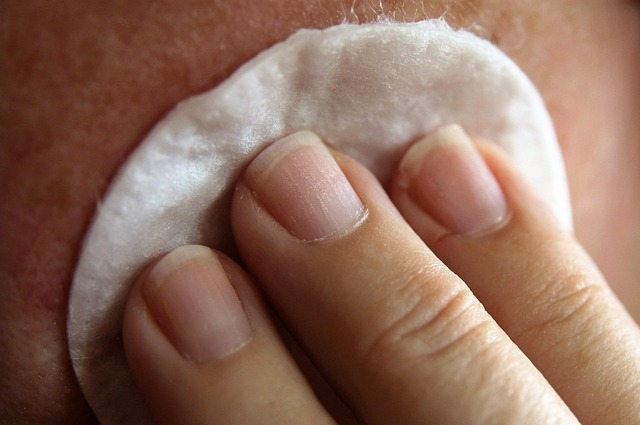
Laser wart removal treatment naturally is a highly effective, non-invasive method for eliminating warts with minimal skin damage. It requires multiple treatments spaced weeks apart under professional guidance. Preparation involves consulting a dermatologist, maintaining good hygiene, and strengthening skin defenses. Post-treatment care includes keeping the area clean, moisturized, and avoiding touching. Flaking and peeling are normal healing signs; persistent irritation or complications require medical attention. Regular check-ins monitor progress, offering insights for managing future warts effectively.
Warts can be a persistent and unsightly nuisance, but fear not! If you’re considering laser wart removal treatment naturally for the first time, understanding the process is crucial. Warts are common skin growths caused by viruses, often appearing as small, rough bumps. While over-the-counter treatments exist, laser therapy offers a more permanent solution. This article provides an in-depth guide to prepare you for your initial session, ensuring a safe and effective experience. We’ll explore the science behind laser wart removal, potential side effects, and practical tips to optimize results.
- Understanding Laser Wart Removal Treatment
- Preparing Your Skin for the Procedure
- What to Expect During and After Treatment
- Caring for Your Skin Post-Laser Wart Treatment
Understanding Laser Wart Removal Treatment
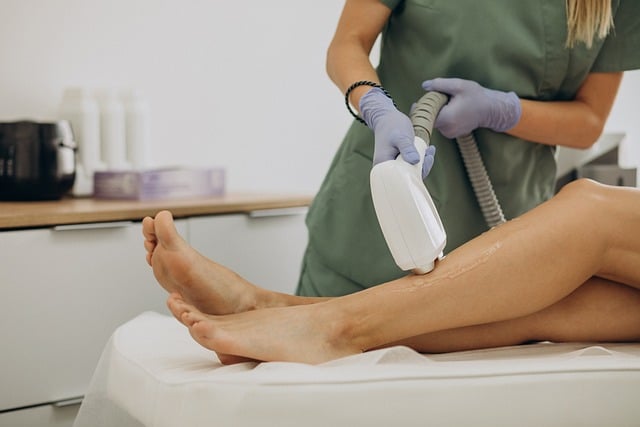
Laser wart removal treatment is a non-invasive procedure gaining popularity for its effectiveness and natural approach to eliminating warts. Unlike traditional methods, which often involve harsh chemicals or surgical excision, this technique utilizes concentrated light energy to target and destroy wart tissue. The process is fast, relatively painless, and offers a high success rate, making it an attractive option for those seeking swift relief from unsightly warts.
The laser wart removal treatment works by emitting a specific wavelength of light that penetrates the skin’s surface, targeting the dark-colored cells of the wart. This targeted energy causes the cells to heat up and break down, effectively destroying the wart while minimizing damage to surrounding healthy skin. One of the key advantages is its precision; the laser can be directed precisely at the wart, reducing potential side effects often associated with topical treatments. This method is particularly appealing for areas like the hands and face, where aesthetic concerns are paramount.
When considering private wart removal options, such as those available in Milton Keynes, Edinburgh, or Cambridge, it’s crucial to consult with a qualified dermatologist or medical professional. They will assess your specific case, discuss potential risks and benefits, and provide guidance tailored to your needs. Often, multiple treatments spaced several weeks apart are required for optimal results, ensuring that the laser energy reaches all layers of the wart for complete removal. This approach has been shown to be highly effective in clinical studies, with patient satisfaction ratings indicating a preference for its speed and convenience compared to other methods.
Preparing Your Skin for the Procedure
Preparing your skin for a laser wart removal treatment is a crucial step in ensuring optimal results and minimizing potential side effects. This process involves careful consideration of your skin’s condition and readiness for the procedure. Firstly, consult with a qualified healthcare professional or dermatologist to discuss your specific case. They can provide expert advice tailored to your needs, especially if you’re considering natural laser wart removal treatments. For instance, in Glasgow, UK, many clinics offer Wart Removal Glasgow services utilizing advanced laser technology alongside natural remedies for improved outcomes.
Prior to the treatment, maintain good skin hygiene and keep the affected area clean. Avoid using harsh chemicals or irritants that could sensitize your skin. Opt instead for mild cleansers suitable for sensitive areas. Moisturizing is also essential, as adequately hydrated skin can better withstand the laser procedure. However, steer clear of any products containing oil or grease, as these might interfere with the laser’s effectiveness. For those seeking cosmetic solutions, Wart Removal Reading services are available, emphasizing not just removal but also skin rejuvenation.
In the week leading up to the treatment, take measures to strengthen your skin’s natural defense mechanisms. This can include incorporating antioxidants into your skincare routine and ensuring adequate vitamin C intake, which aids in collagen production—crucial for post-treatment healing. Avoid direct sun exposure as much as possible, as tanned or burned skin may react differently to the laser. Remember, each individual’s skin responds uniquely, so consulting with a professional who can guide you through pre- and post-care instructions specific to your situation is invaluable.
What to Expect During and After Treatment

Preparing for your first laser wart removal treatment involves understanding both the procedure itself and what to expect before and after. This is particularly important as it helps alleviate any anxiety and ensures you’re well-informed about the process. During the laser wart removal treatment, a specialized device emits a concentrated beam of light that targets the wart, breaking down its tissue. This non-invasive approach is often preferred for its effectiveness and minimal side effects. After the treatment, it’s common to experience some redness and mild discomfort in the area where the wart was removed. In many cases, this subsides within a few days.
Wart removal specialists like those available in Edinburgh, Glasgow, and Oxford can provide expert guidance on managing post-treatment care. It’s crucial to follow their instructions diligently, which may include keeping the treated area clean and dry, applying topical medications as advised, and avoiding strenuous activities that could irritate the skin. One significant advantage of laser wart removal treatment naturally is that it often leads to permanent wart elimination, unlike other methods that might require repeated treatments. According to a study published in the Journal of Dermatology, approximately 80-90% of warts disappear after just one or two sessions of laser therapy.
However, every individual’s experience can vary. Some patients may observe results within a few days, while others might take up to several weeks. It’s essential not to be discouraged by this variability and to maintain patience during the healing process. Regular check-ins with your specialist can help monitor progress and address any concerns promptly. They can also provide valuable insights into managing future warts effectively, ensuring that whatever approach you choose—whether it’s laser treatment or another form of removal—you’re equipped with the knowledge needed to prevent their recurrence.
Caring for Your Skin Post-Laser Wart Treatment
After your initial laser wart removal treatment, caring for your skin is paramount to ensure optimal results and minimize potential side effects. The procedure can leave the treated area sensitive and slightly irritated, similar to a sunburn. It’s crucial to keep the area clean and moisturized during the healing process. Avoid touching or picking at the wart, as this could lead to infection or scarring. A gentle, non-irritating cleanser is recommended for daily washing, ensuring you thoroughly dry the skin afterward.
Moisturizing is essential, especially in the first 24–48 hours post-treatment. Apply a hypoallergenic, fragrance-free moisturizer to soothe and heal the skin. Some over-the-counter options contain calming ingredients like aloe vera or chamomile that can aid in reducing any redness or inflammation. It’s important to note that while these measures support healing, they cannot replace professional medical advice. For instance, individuals seeking wart removal in bustling cities like Birmingham, Bournemouth, or Edinburgh should consult a dermatologist who can offer tailored recommendations based on their specific skin types and conditions.
As your skin heals, you may notice flaking or peeling—this is normal. However, if the irritation persists beyond a few days or is accompanied by excessive redness, swelling, or discharge, contact your healthcare provider. They might advise additional care or suggest laser wart removal treatment naturally as an alternative or complement to your initial procedure, depending on the severity and type of wart. Remember, each individual’s experience is unique, so it’s vital to follow post-treatment instructions diligently for the best possible outcome.
After thoroughly exploring the process and implications of laser wart removal treatment, you’re now equipped with a comprehensive understanding of what to expect. Key takeaways include preparing your skin properly before treatment, realizing that during and after care are crucial for optimal results, and knowing how to nurture your skin post-procedure. By following these guidelines, you can naturally facilitate the healing process and minimize discomfort. This authoritative article empowers you to approach laser wart removal with confidence, ensuring a smoother journey towards wart-free skin.