
Laser wart removal treatment naturally requires meticulous post-care to prevent reoccurrence. Key steps include clean skin, topical meds, sunscreen, gentle skincare, monitoring for recurrences, and avoiding irritants. Regular check-ins aid early intervention with methods like cryotherapy or topicals. Consult specialists for tailored advice and proactive management of new growths.
Warts can persistently reappear after laser removal treatment, causing frustration for many individuals seeking permanent solutions. Understanding how to prevent reoccurrence is essential to optimizing the results of this advanced aesthetic procedure. This comprehensive guide delves into effective strategies to safeguard against the return of warts following laser wart removal treatment naturally, emphasizing practical measures and evidence-based practices for a smooth recovery process. By embracing these insights, patients can enhance their chances of achieving lasting clarity in their skin’s texture and appearance.
- Understanding Post-Laser Skin Care Routine
- Identifying Triggers for Wart Recurrence
- Natural Remedies for Laser Wart Removal Treatment
- Protecting Your Skin: Preventative Measures
- Monitoring and Addressing New Growths Promptly
Understanding Post-Laser Skin Care Routine
After laser wart removal treatment, a meticulous post-care routine is essential to prevent reoccurrence. The skin’s response to laser therapy can vary, making it crucial to understand the healing process and potential risks. In this context, Reading and seeking expert advice from cosmetic wart removal specialists in areas like Liverpool or Leeds is pivotal for effective management.
The initial phase post-laser treatment typically involves some redness, swelling, and light bleeding—all normal responses. However, proper care can significantly reduce the risk of complications and promote faster healing. This includes keeping the treated area clean and applying recommended topical medications to prevent infection. Additionally, protecting the skin from sunlight is vital; sunscreen use during recovery periods helps mitigate hyperpigmentation and other potential side effects.
A key aspect in preventing warts after laser removal is a consistent skincare routine. This involves gentle cleansing, using hypoallergenic products, and avoiding harsh chemicals or irritants. For instance, using a mild cleanser and keeping the area moisturized can aid in reducing scarring and flaking. It’s also advisable to avoid scratching or touching the treated skin to prevent introducing bacteria or causing damage. Regular monitoring for any signs of recurring warts is another critical step, allowing for early intervention if needed.
Identifying Triggers for Wart Recurrence

Preventing warts after laser removal is crucial for achieving long-lasting results and avoiding recurrence. Understanding the triggers behind wart persistence is a significant step in this process. Laser wart removal treatment naturally involves targeting specific cellular structures within the wart, but certain factors can influence its effectiveness and the likelihood of regrowth. For instance, individuals with weakened immune systems or those prone to viral infections may experience more challenging outcomes. Moreover, re-exposure to the virus that causes warts, often through direct contact or contaminated surfaces, can lead to recurrence even after successful laser treatment in Liverpool, Reading, or Edinburgh.
Expert specialists in wart removal across these cities emphasize the importance of identifying and mitigating risk factors. This includes maintaining meticulous hygiene practices, especially around the treated area, and avoiding activities that may increase skin trauma or exposure to pathogens. For example, refraining from engaging in high-contact sports or walking barefoot in public areas can reduce the chances of virus transmission. Additionally, keeping the skin moisturized but not overly humid can help prevent the optimal conditions for wart regrowth, as seen in various clinical studies.
Regular monitoring is another critical aspect recommended by specialists. Post-laser treatment, it’s essential to inspect the treated area periodically for any signs of returning warts. Early detection allows for prompt intervention using techniques like cryotherapy or topical treatments. This proactive approach ensures that even subtle recurrences are addressed before they escalate, significantly improving the chances of permanent wart removal across all affected areas, be it Liverpool, Reading, or Edinburgh.
Natural Remedies for Laser Wart Removal Treatment

Preventing warts after laser removal is a crucial step to ensure optimal results and avoid future infections or recurring lesions. While professional treatments like those offered at private wart removal Manchester, cosmetic wart removal Milton Keynes, and Wart Removal Edinburgh are effective, there are also natural remedies that can aid in the process. Natural laser wart removal treatment options not only provide an alternative but can be beneficial for those looking to avoid medical procedures or complement their existing care plans.
One popular natural remedy involves applying apple cider vinegar. Diluting it with water and soaking the affected area for 15-20 minutes daily can help dissolve the protein structure of warts. Another effective approach is using duct tape. This method, while unconventional, has shown promise in clinical studies. By covering the wart with duct tape for several days, the pressure and subsequent drying action can weaken and eventually remove it. Additionally, essential oils like tea tree oil possess antiviral properties that can help combat the human papillomavirus (HPV), which causes warts. A few drops of diluted oil applied topically daily may aid in healing and prevent future infections.
It’s important to note that while these natural remedies offer potential benefits, they may not be suitable for everyone or every type of wart. Before attempting any at-home treatment, especially after laser removal, consult a healthcare professional. They can provide guidance tailored to your specific situation, ensuring safety and effectiveness. Additionally, maintaining good hygiene, avoiding contact with infected surfaces, and strengthening your immune system through balanced nutrition and regular exercise are holistic strategies that support wart prevention and overall health.
Protecting Your Skin: Preventative Measures
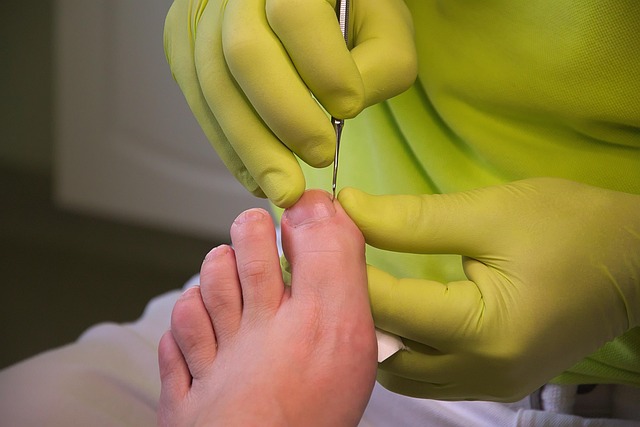
After laser wart removal treatment, preventing recurrence is crucial to maintain clear, healthy skin. Protecting your skin from further exposure to the elements and specific substances can significantly reduce the likelihood of warts returning. Firstly, it’s essential to consult with a specialist like those found at Wart Removal Liverpool, Wart Removal Specialists Leicester, or Wart Removal Specialists Cambridge for post-treatment care advice tailored to your unique situation. These professionals can provide guidance on managing skin after laser treatment.
One key aspect is to maintain proper hygiene and keep the treated area clean and dry. Regularly washing your hands and avoiding touching the treated wart area with unclean hands helps prevent re-infection. Additionally, using gentle, fragrance-free cleansers minimizes irritation, allowing the skin to heal naturally. Moisturizing gently after cleaning can aid in restoration without introducing harmful elements, though it’s vital to select hypoallergenic creams to avoid potential allergens.
Sun protection is another critical component of preventing wart recurrence. Laser treatments can make your skin more susceptible to sun damage, so wearing sunscreen with a high SPF daily is essential, even on cloudy days. Clothing protection, such as long sleeves and hats, further shields your skin from UV rays. Moreover, avoiding known irritants and allergens can help prevent future warts. Keeping your environment clean and free from substances that have previously caused wart outbreaks can significantly reduce the risk of reoccurrence.
Monitoring and Addressing New Growths Promptly

After laser wart removal treatment, it’s crucial to remain vigilant as new warts or growths may emerge. This is a natural part of the healing process, but prompt action can prevent their spread and ensure optimal results. At private wart removal clinics like those in Cambridge, Reading, and Bournemouth, specialists emphasize the importance of regular monitoring. Regularly inspect the treated area for any changes, such as new warts, redness, or swelling. Early detection allows for quicker intervention using methods like cryotherapy or topicals, often more effective than waiting for spontaneous resolution.
In many cases, laser wart removal treatment naturally triggers the immune system to clear remaining cells. However, this can take several weeks, during which new warts might appear as the immune response unfolds. Wart removal specialists in Bournemouth, for instance, recommend weekly check-ins to assess progress and address any recurrences promptly. Regular monitoring also helps identify atypical growths that may require further evaluation, ensuring potential cancerous cells are caught early. Data shows that proactive management significantly improves outcomes, reducing the need for more intensive treatments later.
When new growths are detected, it’s essential to consult a specialist immediately. They can accurately diagnose whether the new wart is a recurrence or something different, such as a common skin lesion. Treatment plans should be tailored accordingly, combining topical medications, cryotherapy, or other targeted approaches. For instance, in Reading, specialists might recommend an enhanced recovery protocol including topical numbing creams and specific bandaging to ease discomfort during treatment and encourage better healing. Early intervention not only prevents further disfigurement but also preserves the overall aesthetic of the treated area.
By comprehending post-laser skin care routines, identifying triggers for wart recurrence, exploring natural remedies for laser wart removal treatment naturally, implementing protective measures, and monitoring new growths promptly, readers can significantly enhance their outcomes in preventing warts after laser removal. This article has provided authoritative insights that empower individuals to take charge of their skin health, ensuring long-lasting results and a more comfortable journey towards smooth, wart-free skin. Key takeaways include the importance of post-treatment care, understanding environmental factors, leveraging natural remedies, and maintaining proactive vigilance against recurrence. With these strategies in hand, readers are equipped to navigate the path to effective laser wart removal treatment naturally and enjoy the benefits of clear, healthy skin.