
Laser wart removal treatment offers a precise, effective method for eliminating warts with minimal discomfort. The process involves topical anesthetic, targeted laser energy to destroy abnormal cells, and quick recovery. Post-procedure care includes keeping the area clean and dry. One session often removes small warts, larger ones may require additional treatments. Specialized services in key cities provide personalized plans with high success rates. This comfortable alternative minimizes damage and scarring compared to traditional methods. Multiple sessions may be needed due to laser's targeted nature. Experts recommend specialized care for optimal results.
Warts are a common skin concern, affecting people of all ages. Traditional removal methods can be painful and often leave behind unsightly scars. Thankfully, laser wart removal treatment has emerged as a highly effective, minimally invasive solution. This advanced technique offers a precise way to target and eliminate warts without the need for harsh chemicals or surgical procedures.
In this article, we’ll guide you through the process of laser wart removal, shedding light on what to expect both during and after treatment. By understanding the science behind this innovative approach, you’ll gain valuable insights into achieving clear, smooth skin naturally.
- Understanding Laser Wart Removal Process
- What to Expect During Treatment & Recovery
- Natural Approaches for Effective Results
Understanding Laser Wart Removal Process
Laser wart removal treatment has emerged as a popular and effective method for eliminating warts, offering a natural alternative to traditional treatments. This advanced technique utilizes concentrated light energy from lasers to target and destroy wart tissue while minimizing damage to surrounding healthy skin. Understanding the process involves grasping how lasers interact with skin cells and the steps involved in ensuring optimal results.
During laser wart removal, a specialist applies a topical anesthetic to numb the area around the wart. This step is crucial as it ensures patients experience minimal discomfort during the procedure. Next, a high-precision laser is directed at the wart, precisely targeting the abnormal skin cells while minimizing impact on healthy tissue. The laser energy penetrates the skin, heating and destroying the targeted cells. Following the treatment, small bleeding may occur, similar to a minor cut, which typically stops within minutes.
Post-procedure care involves keeping the treated area clean and dry. Patients might experience some redness or swelling for a few days but should avoid scratching or picking at the wart site. In many cases, one laser session is sufficient to remove small warts. However, larger or more stubborn warts may require additional treatments spaced several weeks apart. Wart removal specialists, such as those available in Edinburgh, Oxford, and Cardiff, can provide expert advice on treatment plans tailored to individual needs. The advantage of laser wart removal lies in its precision, minimal downtime, and high success rates compared to traditional methods.
What to Expect During Treatment & Recovery
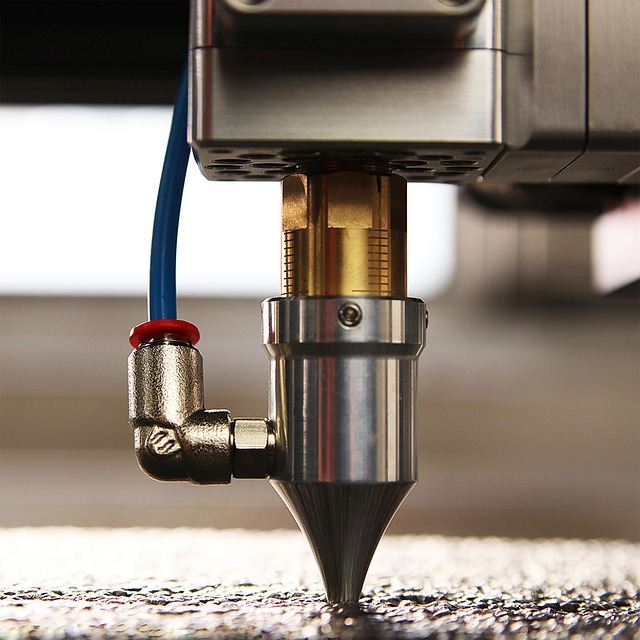
Laser wart removal treatment offers a precise and effective approach to eliminating warts, with minimal discomfort and downtime compared to traditional methods. During the procedure, a specialized laser is targeted at the wart, breaking down its structure and stimulating the body’s natural immune response to clear it. The process is typically quick, often taking just a few minutes per wart, and is usually well-tolerated, causing little more than mild discomfort or stinging sensations. After treatment, it’s common for the wart to appear dry, cracked, or slightly inflamed, but this subsides within a few days.
In terms of recovery, there may be some temporary redness, swelling, or peeling of the skin around the treated area. Patients are usually advised to keep the treated wart clean and protected with a bandage to prevent infection and reduce discomfort. Over-the-counter pain relievers can manage any post-treatment soreness. It’s crucial to follow the instructions provided by your healthcare professional for optimal healing, which may include avoiding sun exposure and specific activities that could irritate the area.
For those seeking private wart removal services, locations like Bournemouth, Cambridge, and Milton Keynes offer specialized clinics with experienced practitioners. These settings provide a more personalized and discreet approach to treatment, catering to individuals who prefer privacy or have sensitive schedules. The use of advanced laser technology in these private clinics ensures precise, effective treatments, with many patients experiencing successful wart removal after just one session. However, it’s important to note that individual results may vary, and follow-up appointments might be necessary for persistent or particularly stubborn warts.
Natural Approaches for Effective Results

Laser wart removal treatment naturally has gained popularity as an alternative approach for those seeking effective relief from unsightly warts. This method utilizes targeted laser technology to eliminate warts gently yet efficiently. Unlike traditional methods that may cause discomfort or side effects, natural laser treatments offer a more comfortable and precise option. Private wart removal services in cities like Exeter, Leeds, and Edinburgh have become sought-after, catering to individuals seeking discreet and effective solutions.
The process involves a specialist applying a concentrated beam of light (laser) directly onto the wart. This advanced technology heats and destroys the wart tissue while minimizing damage to surrounding healthy skin. Unlike cryotherapy, which freezes warts, laser treatments provide a more targeted approach, often resulting in faster healing and reduced risk of scarring. After the procedure, patients typically experience little to no pain and can resume normal activities immediately. However, it’s crucial to note that multiple sessions may be required, as lasers target only the visible portion of the wart, not the underlying root structures.
Experts recommend seeking specialized services for optimal results. Wart removal specialists in cities like Leeds and Edinburgh are trained to utilize advanced laser equipment, ensuring precise and effective treatments. Additionally, they can provide tailored advice based on wart type and severity, offering post-treatment care instructions to promote faster healing. For instance, keeping the treated area clean and moist with over-the-counter hydrocortisone cream can enhance comfort and reduce potential irritation. While natural laser wart removal is generally well-tolerated, individuals with sensitive skin may experience temporary redness or itching, prompting them to consult specialists for personalized guidance.
Laser wart removal treatment offers a precise and effective solution for eliminating warts, with minimal downtime. Understanding the process empowers individuals to make informed decisions about their skin health. During treatment, a laser targets the wart’s tissue, breaking down its structure. Recovery is swift, often resulting in reduced wart visibility within days. While natural approaches exist, combining them with professional care can enhance results. Key takeaways include preparing for treatment by avoiding certain activities and understanding potential side effects. Post-removal, regular skincare routines and monitoring for new warts are essential. This comprehensive guide arms readers with knowledge to navigate laser wart removal naturally, ensuring a confident and informed journey towards smooth, wart-free skin.