
Laser wart removal treatment offers a highly effective, precise solution for stubborn warts, minimizing skin damage, especially in sensitive areas like the face. Using different lasers depending on wart size and type, this non-invasive procedure provides quick results, faster recovery, reduced scarring risk, and is preferable over traditional methods like cryotherapy. Post-care instructions include keeping the treated area clean, dry, and protected, with mild discomfort managed through over-the-counter pain relievers and cold compresses. Regular check-ups ensure complete wart removal.
Stubborn warts can be a nuisance, but fear not! Laser wart removal treatment offers effective solutions. This comprehensive guide delves into the world of laser therapy for warts, exploring its understanding, common lasers used, and numerous benefits. We’ll navigate preparing for your session, post-treatment care, and recovery tips. Discover why laser treatments are revolutionizing wart elimination, providing permanent results without pain or scars.
- Understanding Laser Wart Removal Treatment
- Common Types of Lasers for Wart Elimination
- The Benefits of Laser Therapy for Warts
- Preparing for Your Laser Wart Removal Session
- Post-Treatment Care and Recovery Tips
Understanding Laser Wart Removal Treatment
Laser wart removal treatment has emerged as a highly effective solution for stubborn warts, offering a precise and targeted approach to eliminating these skin anomalies. This procedure involves using concentrated pulses of light energy to destroy the wart tissue while minimizing damage to surrounding healthy skin. The process is typically quick, usually taking just a few minutes, and can be performed in a clinical setting by a qualified professional, such as those at Kent Gillingham Wart Clinic.
Unlike traditional treatments that may cause discomfort or leave scars, laser therapy provides a more gentle and precise method. It’s especially beneficial for areas like the face, where other removal techniques might not be suitable or desirable. While it may not be the first choice for all warts, particularly on sensitive body parts, private wart removal services in Bolton have shown promising results, making it an option worth considering for those seeking advanced and effective wart treatment.
Common Types of Lasers for Wart Elimination

When it comes to laser wart removal treatment, several types of lasers are commonly used for effective elimination. The choice of laser depends on various factors, including the size and type of the wart. Common laser options include CO2 lasers, which use carbon dioxide to vaporize the wart, and Erbium YAG (Er:YAG) lasers, known for their ability to target water in skin cells, leading to minimal damage to surrounding tissue. These lasers are particularly effective for stubborn warts that have not responded to conventional treatments.
Wart removal laser reviews consistently highlight the success rates of these procedures. For instance, Essex Southend-on-Sea wart clinic offers CO2 laser treatments known for their precision and effectiveness. Similarly, private wart removal Coventry provides Er:YAG laser therapy, which has gained popularity due to its rapid results and minimal downtime. These advanced laser treatments offer a non-invasive approach to wart removal, making them preferred choices for many seeking permanent solutions beyond traditional methods.
The Benefits of Laser Therapy for Warts
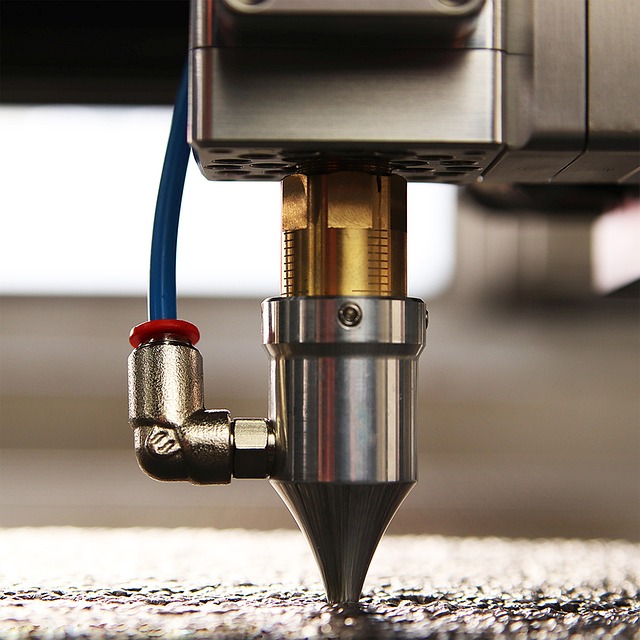
Laser therapy offers a precise and effective approach to stubborn warts, providing several significant advantages over traditional treatment methods. This non-invasive procedure utilizes concentrated light energy to target and destroy wart tissue while minimizing damage to surrounding healthy skin. One of the key benefits is its ability to address specific warts with accuracy, making it an ideal solution for hard-to-reach or multiple warts.
Compared to cryotherapy, which can be more painful and may require repeated treatments, laser wart removal treatment offers a quicker and often more comfortable alternative. The procedure is fast, typically taking only minutes, and the recovery time is generally brief. This makes it an attractive option for those seeking a convenient and efficient solution. Moreover, the precision of laser therapy means there’s less risk of scarring or side effects commonly associated with cryosurgery, ensuring patients in Essex Chelmsford or Blackpool can achieve clear, smooth skin without prolonged downtime.
Preparing for Your Laser Wart Removal Session

Post-Treatment Care and Recovery Tips

After undergoing laser wart removal treatment, proper post-care is essential for optimal results and to prevent further complications. It’s recommended to keep the treated area clean and dry, avoiding any harsh chemicals or irritants that could cause discomfort. Over-the-counter pain relievers can be taken to manage any mild soreness or itching. Additionally, applying a cold compress for 15-20 minutes several times a day can help alleviate any post-procedure irritation.
During recovery, it’s crucial to protect the treated wart from sun exposure and avoid activities that might cause further damage or reinfection. Moisturizing the surrounding skin gently is fine, but be cautious not to touch or pick at the scabs formed as this may lead to scarring. Most importantly, follow up with your chosen clinic (whether it’s a Leeds wart clinic, private wart removal Doncaster, or elsewhere) for scheduled check-ups to ensure complete removal and monitor any potential side effects.
Laser wart removal treatment offers a precise and effective solution for stubborn warts, providing long-lasting relief. By targeting specific cells with concentrated light energy, this non-invasive procedure can eliminate warts without the need for harsh chemicals or repeated medical interventions. With various laser types available, personalized treatments ensure optimal results while minimizing discomfort and downtime. Remember, proper preparation and post-treatment care are key to a successful outcome, allowing you to enjoy smooth, wart-free skin once again.