
Laser wart removal treatment naturally is a popular, effective solution for various warts. Using targeted lasers, this method preserves healthy tissue, offers faster recovery, and can be performed at home. Different laser types target warts through freezing or burning, with options tailored to skin type and wart severity. Professional guidance is crucial for optimal results, safety, and device selection. Alternative treatments include cryotherapy, salicylic acid, and podophyllotoxin creams. Consulting a dermatologist remains essential for unusual or persistent warts.
Warts are a common skin concern, affecting people of all ages. While over-the-counter treatments offer some relief, many seek more effective solutions for laser wart removal at home, aiming to eliminate these unsightly growths naturally. In this article, we explore the latest advancements in professional-grade laser technology and its application in home skincare routines. By harnessing the power of lasers, individuals can now achieve successful wart removal without the need for invasive procedures. This comprehensive guide delves into the science behind laser treatments, their safety profile, and the steps to incorporate this revolutionary approach into your daily regimen for clear, smooth skin.
- Understanding Warts: Causes and Types
- The Science Behind Laser Wart Removal
- Choosing the Right Laser for Your Skin
- Step-by-Step Guide to DIY Laser Treatment
- Natural Approaches: Beyond Professional Lasers
Understanding Warts: Causes and Types
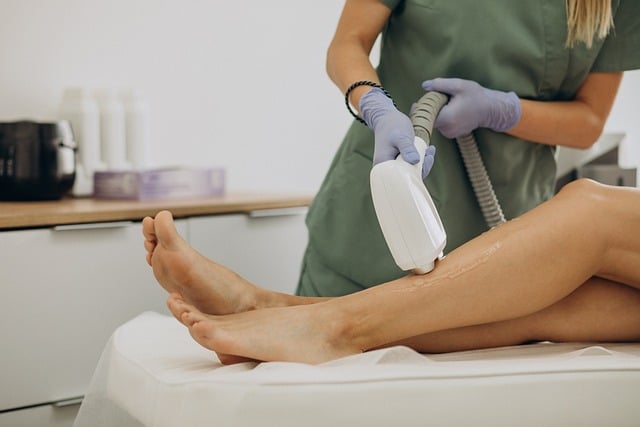
Warts are common skin growths caused by the human papillomavirus (HPV), affecting people of all ages. Understanding the causes and types of warts is crucial in determining the most effective treatment approach, including at-home laser wart removal methods. The various forms of warts include common warts, plantar warts, filiform warts, and verrucae, each presenting differently and requiring tailored care. Common warts, often appearing as rough, small bumps, can occur anywhere but are typically found on the hands and arms. Plantar warts, in contrast, grow on the soles of feet, causing hard, painful lumps that can make walking difficult.
Laser wart removal treatment naturally has gained popularity as a professional-grade solution for cosmetic wart removal Manchester and across various locations. This non-invasive procedure uses targeted lasers to eliminate warts by destroying the infected skin cells while preserving healthy tissue. Wart removal specialists Edinburgh, for instance, employ advanced laser technology to accurately treat warts, minimizing discomfort and recovery time compared to traditional methods. While over-the-counter treatments are available, persistent or cosmetically concerning warts often require professional intervention.
Among the various at-home options, lasers offer a more precise and effective solution, especially for stubborn cases. However, it’s essential to consult with experts like those found in Edinburgh for personalized advice tailored to wart type, size, and location. With proper care and the right treatment approach, warts can be effectively managed or eliminated, enhancing both appearance and comfort.
The Science Behind Laser Wart Removal

Laser wart removal treatment has emerged as a highly effective and increasingly popular method for eliminating unsightly warts at home. This non-invasive procedure leverages the power of light to target and destroy specific cells causing the wart’s growth. The science behind laser wart removal is grounded in photodynamical interactions, where light energy is absorbed by certain molecules within the wart tissue, generating heat that damages and eventually eliminates these cells.
Compared to traditional methods like cryotherapy or topical treatments, laser wart removal offers several advantages. It is precise, allowing for targeted destruction of the affected area while minimizing damage to surrounding healthy skin. This precision is particularly beneficial in sensitive areas like the face, hands, and feet, where warts can be cosmetically distressing. Moreover, laser treatments provide a potentially more permanent solution than topical creams or liquid nitrogen, as they can effectively kill the root of the wart, preventing regrowth.
Professional-grade laser wart removal systems, accessible through private wart removal services in Oxford, Cambridge, and Bournemouth, utilize specific wavelengths of light tailored to penetrate the skin’s upper layers. For instance, pulsed dye lasers (PDLs) are commonly used due to their effectiveness in targeting hemoglobin, a molecule abundant in warts, without damaging the surrounding skin. While over-the-counter laser treatments exist, many dermatologists recommend consulting a professional for optimal results and safety. Expert practitioners can assess the severity of your wart, choose the most suitable laser wavelength, and provide guidance on post-treatment care, ensuring a more efficient and effective removal process.
Choosing the Right Laser for Your Skin

When considering laser wart removal treatment naturally at home, choosing the right laser is paramount to achieving effective results. Different lasers target warts through various mechanisms, from freezing (cryotherapy) to burning (coagulation). For instance, CO2 lasers are potent but may require professional supervision due to their intensity. In contrast, less aggressive options like Nd:YAG lasers can be safer for home use, though they might demand more frequent applications.
A key consideration is skin type and wart severity. For instance, those seeking Wart Removal Leeds, Private Wart Removal Newcastle, or Manchester should consult specialists who can guide them on suitable laser types. Sensitive skin, for example, may fare better with lower-energy lasers like the Pulse Dye Laser (PDL), which targets blood vessels without damaging surrounding tissue. On the other hand, hard-to-reach or stubborn warts might necessitate more focused devices like fractional lasers, which promote collagen production to aid in wart removal over time.
Expert recommendations and user experiences can provide valuable insights. Look for clinical studies supporting the laser’s efficacy against warts. Additionally, consider maintenance requirements and potential side effects. Regular cleaning and proper use instructions are crucial for maintaining device longevity and safety. Remember, while laser wart removal treatment naturally at home offers a promising alternative to traditional methods, professional guidance remains invaluable for ensuring optimal outcomes tailored to your specific needs.
Step-by-Step Guide to DIY Laser Treatment

If you’re considering DIY laser wart removal treatment naturally at home, it’s crucial to understand the step-by-step process involved. This approach, while potentially cost-effective, requires precision and a thorough understanding of skin care. First, prepare your workspace by ensuring it’s clean and well-lit. Gather all necessary tools: a high-quality laser wart removal device, antiseptic wipes, and a bandage. Start by cleansing the wart and surrounding area with an antiseptic solution to minimize risk of infection. Next, carefully apply the laser device according to the manufacturer’s instructions. The laser will target and destroy the wart’s skin cells, prompting your body’s natural healing processes to eliminate the growth. After treatment, gently clean the area again and cover it with a bandage to protect against dirt and further irritation.
Repeat this process daily for up to two weeks, or until the wart is gone. It’s essential to note that results may vary; stubborn warts might require more persistent treatment. For instance, private Wart removal Manchester, Reading, and Newcastle offer professional services that can be more effective for particularly resilient warts. Consulting with a dermatologist is advisable if your warts are large, painful, or persist despite home treatment. They can provide expert guidance tailored to your specific case, ensuring the best possible outcome. Remember, while DIY laser treatments offer an appealing solution for private wart removal, seeking professional advice is always recommended for stubborn or unusual cases.
Natural Approaches: Beyond Professional Lasers
While professional-grade lasers offer effective solutions for wart removal, there are natural approaches to consider for managing warts at home. Laser wart removal treatment naturally involves exploring alternative methods that can be just as potent and targeted. One such method is cryotherapy, which uses liquid nitrogen to freeze and destroy warts. This procedure is commonly performed in private clinics like those offering wart removal Bournemouth, Milton Keynes, or Exeter services. Cryotherapy has a high success rate, especially for common warts, with studies showing up to an 85% effectiveness rate after just one session.
Another natural approach leverages the power of salicylic acid, a beta-hydroxy acid (BHA) commonly found in over-the-counter wart treatments. Salicylic acid softens and dissolves the outer layer of the wart, allowing for gradual removal. This method is suitable for treating various types of warts but may require more patience than laser treatments. Topical applications or plasters containing salicylic acid can be purchased from pharmacies or online retailers, making at-home treatment convenient. However, it’s crucial to follow instructions carefully and consult a healthcare professional if the wart shows no improvement after several weeks.
In addition to these methods, over-the-counter creams containing compounds like podophyllotoxin or cantharis may provide relief. These natural alternatives have been used for centuries and are generally well-tolerated by most users. For instance, a study published in the British Journal of Dermatology found that podophyllotoxin cream achieved a 78% cure rate for common warts after 4 weeks of daily application. While these treatments offer hope for at-home wart management, it’s essential to remember that warts can be stubborn, and individual responses may vary. Consulting with a healthcare provider or dermatologist remains advisable, especially when dealing with persistent or painful warts, to determine the most suitable natural approach for one’s specific needs.
By understanding the science behind wart removal and the various methods available, including professional-grade lasers and natural approaches, readers can make informed decisions about their skin care. The article has shed light on different types of warts and their causes, empowering individuals to identify specific issues. Key takeaways include the importance of choosing the right laser for skin type and the potential for DIY laser treatments at home. Additionally, exploring natural methods offers a holistic alternative to professional lasers, highlighting laser wart removal treatment naturally as a viable option. With this knowledge, readers can confidently navigate their skincare journey, addressing warts effectively while aligning with personal preferences and values.