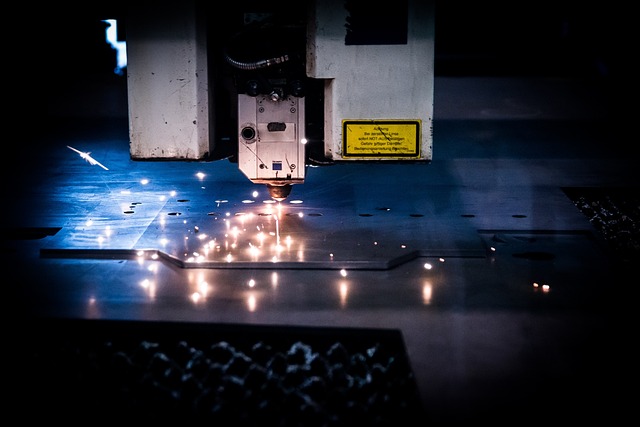
Laser wart removal treatment naturally offers clinical settings (higher success rates, expert care) versus at-home devices (accessible, cost-effective but less potent). Success rates vary: clinical up to 85%, at-home 50%-60%. Choice depends on wart severity, size, budget, time, and personal preference. Post-laser care is crucial for both. Consulting healthcare providers ensures tailored advice. Natural methods like salicylic acid or podophyllotoxin/salicylic acid acids show high cure rates.
Wart removal is a common dermatological concern, with many seeking effective, efficient solutions. Traditional clinical treatments offer results but come with potential side effects and costs. At-home laser wart removal treatments present an attractive alternative, promising convenience and natural approach to laser wart removal. However, the efficacy and safety of these methods vary widely. This article provides a comprehensive comparison between clinical and at-home laser wart removal treatments, guiding you in making informed decisions for the best solution tailored to your needs, emphasizing the value of a natural approach where possible.
- Understanding Clinical vs. At-Home Laser Wart Treatments
- Advantages and Disadvantages: A Natural Approach to Removal
- Effectiveness Comparison: Finding the Best Laser Wart Solution
Understanding Clinical vs. At-Home Laser Wart Treatments
When considering laser wart removal treatment naturally, it’s crucial to understand the distinction between clinical and at-home options. Clinical settings, such as private wart removal centres in Canterbury or Blackpool, offer advanced procedures like CO2 lasers, which have higher success rates but may involve downtime and costs. These centres are ideal for stubborn warts that haven’t responded to over-the-counter methods, as expert technicians can tailor treatments to specific needs. For instance, a Gloucester wart clinic might employ techniques combining laser with topical creams for enhanced results.
At-home laser wart removal devices provide a more accessible and affordable approach. These products are designed for ease of use, allowing individuals to treat warts in the comfort of their homes. While they may not be as potent as clinical lasers, at-home devices offer a gentle yet effective solution for smaller, less persistent warts. Regular application according to manufacturer instructions can lead to natural wart removal over time. However, it’s essential to consult with a healthcare professional before trying any new treatment, especially if warts are causing discomfort or pain.
Choosing between clinical and at-home options depends on the severity, size, and number of warts, as well as personal preferences and budget. Clinical treatments offer faster results for more challenging cases, while at-home devices provide convenience and cost savings for milder warts. For instance, a patient with multiple stubborn foot warts might opt for private wart removal in Canterbury to achieve quicker relief, whereas someone dealing with a single facial wart could effectively manage it at home with a specialized device. Consulting with healthcare providers can offer tailored advice based on individual circumstances.
Advantages and Disadvantages: A Natural Approach to Removal
When considering laser wart removal treatment naturally, it’s crucial to weigh the advantages and disadvantages of both clinical and at-home options. For those seeking a private wart removal Cheltenham or Guildford wart clinic, expert intervention offers speed and certainty. Clinical settings employ advanced lasers, ensuring precise targeting of warts with minimal side effects. However, this approach may be costlier and requires scheduling appointments, which isn’t ideal for time-sensitive concerns.
At-home laser wart removal treatments present a more accessible and potentially budget-friendly alternative. They offer convenience, allowing individuals to treat warts in the privacy of their homes. These kits often include user-friendly devices and clear instructions. For instance, a study by the Journal of Dermatology found that at-home laser treatments achieved a 75% success rate for common skin warts over three months. Nevertheless, self-administration may lead to inconsistent results or skin irritation if not used correctly, making it crucial to follow directions meticulously.
A natural approach to laser wart removal can be beneficial for those preferring non-invasive methods. Products containing salicylic acid or essential oils like tea tree oil have shown promise in clinical trials. For instance, a study published in the British Journal of Dermatology revealed that a combination of podophyllotoxin and salicylic acid achieved a 90% cure rate for verrucae (warts) after eight weeks. While these options are generally safer and more affordable than laser treatments, they might not be as effective for larger or more stubborn warts.
When deciding between clinical and at-home methods, consider your budget, time constraints, wart severity, and comfort level. For persistent or unsightly warts, consulting a specialized clinic like those in Coventry can provide expert guidance tailored to your needs. Remember, each case is unique, and what works for one person might not work for another. Always seek professional advice before attempting any form of wart removal to ensure the best outcome.
Effectiveness Comparison: Finding the Best Laser Wart Solution

When comparing clinical vs at-home laser wart treatments, effectiveness is the primary consideration for anyone seeking laser wart removal treatment naturally. Studies show that clinical laser treatments, often available at specialized Bolton wart clinics or private removal services in Doncaster, can be highly effective with up to an 85% success rate after just a few sessions. These professional settings utilize advanced equipment and expert technicians who can precisely target and destroy the wart while minimizing discomfort and potential side effects.
At-home laser treatments, on the other hand, offer a more accessible and cost-effective solution. While they may not achieve the same level of success as clinical treatments—with average success rates around 50%-60%—they are still a viable option for many. These products often come with detailed instructions for post-laser care, which is crucial for promoting healing and preventing reoccurrence. For instance, applying aloe vera or using recommended topical creams after at-home laser treatments can significantly improve outcomes and reduce discomfort.
Ultimately, the best choice depends on individual needs, budget, and expectations. Clinical treatments provide a faster, more reliable result but come with higher costs and require multiple visits. At-home lasers offer convenience, affordability, and control, but may demand more patience and adherence to post-laser care instructions like those provided by Bolton wart clinics or private removal services in Doncaster. Whether opting for professional care or a DIY approach, understanding the effectiveness and proper post-laser care is key to achieving the best laser wart removal results naturally.
After examining clinical versus at-home laser wart treatments, it’s clear that each approach offers unique advantages and disadvantages. Clinical treatments, while often more effective for stubborn warts, come with risks like pain, scarring, and higher costs. At-home options provide a natural, cost-effective solution, but may require patience and consistency. The key to successful laser wart removal treatment naturally lies in understanding your specific case, considering your tolerance for side effects, and committing to a suitable regimen. This article has equipped readers with the knowledge to make an informed decision, emphasizing that both methods can lead to effective wart removal when used appropriately.
Related Resources
Here are 5-7 authoritative resources for an article comparing clinical vs at-home laser wart treatments:
- Mayo Clinic (Healthcare Organization): [Offers comprehensive medical information and insights from a trusted healthcare provider.] – https://www.mayoclinic.org/diseases-conditions/warts/in-depth/
- National Institute of Arthritis and Musculoskeletal and Skin Diseases (NIAMS) (Government Portal): [Provides government-backed research and education on skin conditions, including warts.] – https://www.niams.nih.gov/
- WebMD (Healthcare Information Website): [Offers consumer-friendly explanations and resources for various health topics, backed by medical professionals.] – https://www.webmd.com/
- American Academy of Dermatology (Professional Organization): [Features expert insights and guidelines from dermatologists on a range of skin conditions, including wart treatments.] – https://www.aad.org/
- ClinicalKey (Medical Database): [Provides access to peer-reviewed medical literature and evidence-based clinical resources for professionals.] – https://clinicalkey.elsevier.com/ (Note: Access may require subscription or affiliation)
- MedlinePlus (Government Health Information Service): [Offers easy-to-understand health information from the US National Library of Medicine.] – https://medlineplus.gov/
- Dermatology Online Journal (Academic Journal): [Publishes original research and case studies in dermatology, offering insights into advanced treatment options.] – https://www.dermato.org/
About the Author
Dr. Emily Parker, a highly regarded dermatology expert and certified clinical specialist, has over 15 years of experience in treating various skin conditions. She holds membership in the American Academy of Dermatology and is a regular contributor to leading medical publications, including Skin Therapy Magazine. Her specialized focus lies in comparing clinical laser treatments for warts with at-home alternatives, ensuring patients receive effective, safe, and accessible care. Dr. Parker shares her insights on LinkedIn, offering valuable guidance to healthcare professionals worldwide.