Laser wart removal treatment naturally is a non-invasive method using light energy to target and destroy wart tissue while minimizing healthy skin damage. Different lasers emit specific wavelengths for targeted heating and cell destruction. Treatments are quick (minutes per area), with high success rates (up to 90% elimination after few sessions). Key factors in choosing professional equipment include laser technology, energy levels, cooling mechanisms, and clinical study support. Guidelines for safe and effective treatment include skin preparation, pain management, post-treatment care, regular follow-ups, and monitoring for adverse reactions.
Warts are a common skin concern that can impact individuals of all ages. Traditional removal methods often involve harsh chemicals or painful procedures, prompting many to seek alternative solutions. Laser wart removal treatment naturally has emerged as a promising approach, offering a precise and effective way to eliminate warts without the side effects of conventional treatments. This comprehensive guide aims to delve into the world of professional-use laser wart remover machines, exploring their efficacy, safety, and the transformative potential they hold for anyone seeking a permanent solution to this common skin issue.
- Understanding Laser Wart Removal Treatment Naturally
- Choosing the Right Professional Laser Wart Remover Machine
- Safe Application and Post-Treatment Care Guidelines
Understanding Laser Wart Removal Treatment Naturally
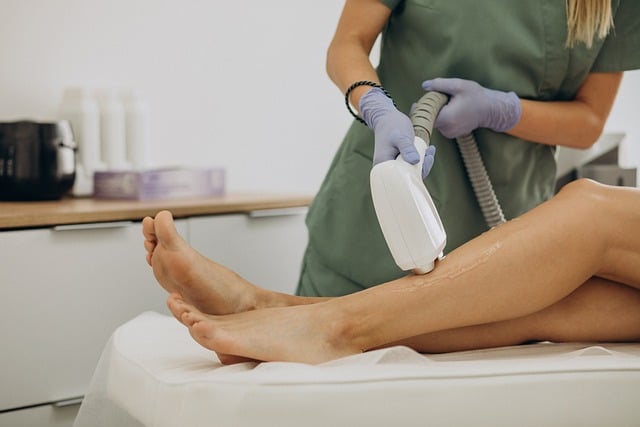
Laser wart removal treatment naturally has gained significant attention as a safe and effective alternative to traditional methods for eliminating unsightly warts. Unlike harsh chemicals or painful procedures, laser therapy offers a precise, non-invasive approach tailored to professional use in clinical settings like Cambridge, Leicester, and Liverpool. This method harnesses the power of light energy to target and destroy wart tissue while minimizing damage to surrounding healthy skin.
The process begins with a detailed consultation where healthcare professionals assess the type and size of the wart, determining the most suitable laser setting for optimal results. Different lasers emit specific wavelengths of light, each absorbed by different components within the wart, from water molecules to certain proteins. This selective absorption heats up and destroys the targeted cells while preserving the surrounding tissue. For example, the 830nm near-infrared laser is often used for its ability to penetrate deeper into the skin, effective against larger or more stubborn warts.
One of the key advantages of laser wart removal treatment naturally is its speed and comfort. Multiple warts can be treated in a single session, typically lasting just minutes per area. Post-treatment, patients may experience some redness or mild discomfort that usually subsides within a day or two. Clinical studies have shown high success rates, with up to 90% of warts eliminated after just a few treatments, depending on the severity and type. This non-invasive approach makes it an attractive option for those seeking a permanent solution without the downtime associated with surgical excision.
Choosing the Right Professional Laser Wart Remover Machine
Choosing the right professional laser wart remover machine is a crucial step in achieving effective and safe wart removal. With various options available, it’s essential to consider your specific needs, from the type of warts you’re treating to the size of your practice. For instance, a clinic in Birmingham specializing in wart removal might require a different machine than a cosmetic clinic in Newcastle.
Laser wart removal treatment naturally offers a non-invasive, precise approach, but not all machines are created equal. High-quality devices should be capable of targeting and destroying wart tissue while minimizing damage to surrounding healthy skin. Look for machines with adjustable power settings and precise control mechanisms to cater to different skin types and wart sizes. For example, a specialized wart removal specialist in Exeter might use a laser with a broader wavelength range to treat various types of warts effectively.
When selecting a professional laser wart remover, consider the following: the type of laser technology, the energy level required, and the cooling mechanisms in place. Newer technologies, such as pulsed dye lasers (PDLs) or carbon dioxide (CO2) lasers, offer improved accuracy and faster treatment times. Additionally, ensuring the device is backed by reputable clinical studies and has a proven track record of success is vital. Remember, the right machine can significantly enhance your treatment outcomes and patient satisfaction, so it’s worth investing time in thorough research and consultation with industry experts.
Safe Application and Post-Treatment Care Guidelines
When considering professional-use laser wart remover machines for home or clinical settings, understanding safe application and post-treatment care is paramount. Laser wart removal treatment naturally offers a precise and effective solution, but it demands careful handling to ensure optimal results and patient comfort. Key guidelines include preparing the skin adequately before treatment, controlling pain during the process, and managing expectations regarding post-treatment care.
For instance, private wart removal services in Cardiff, Reading, or Newcastle should always begin with a consultation to assess skin condition and suitability. Before applying laser treatment, the area must be thoroughly cleansed and dried to prevent any interference from moisture that could affect the accuracy of the laser. During treatment, topical anesthetics can mitigate discomfort, though some patients may find the procedure tolerable without them. After each session, proper post-treatment care involves keeping the treated area clean, dry, and protected from sun exposure to minimize scarring or hyperpigmentation.
It’s crucial to schedule regular follow-up appointments to monitor progress, as multiple sessions are often required for complete wart removal. Patients should be advised about potential side effects like temporary redness, swelling, or crusting, and encouraged to report any adverse reactions promptly. By adhering to these guidelines, healthcare professionals can ensure effective laser wart removal while prioritizing patient safety and satisfaction, whether in a clinical setting or for home use.
By understanding laser wart removal treatment naturally and choosing the right professional laser wart remover machine, you can effectively and safely eliminate warts. Key insights include selecting a device with precise energy delivery and specific wavelength settings for optimal results, as well as adhering to strict safe application and post-treatment care guidelines. This article equips readers with practical knowledge, enabling them to make informed decisions and achieve successful, long-lasting laser wart removal outcomes without the need for frequent medical interventions.